

With more time spent at home in recent years, many Americans are experiencing the effects of “sitting disease.” A sedentary lifestyle, where physical activity is limited, can have serious consequences, especially for seniors.
For older adults, inactivity is even more concerning. Many seniors face limited social interaction, mobility restrictions, or live alone, which increases the risk of sedentary habits. While retirement communities and healthcare facilities can help, many seniors prefer to age safely in place.
So how can seniors reduce these risks while maintaining independence? Let’s explore the dangers of sitting disease, the benefits of physical activity, and practical ways to stay active.
Risks of a Sedentary Lifestyle for Seniors
A lack of regular activity can impact long-term health and daily functioning. Key risks of sedentary behavior in seniors include:
- Increased Risk of Depression and Anxiety: Exercise naturally boosts endorphins, improving mood and mental well-being. Without it, seniors may experience higher levels of depression, anxiety, and loneliness.
- Difficulty with Daily Activities (ADLs): Limited activity can lead to stiff joints and weaker muscles, making tasks like bathing, dressing, cooking, or climbing stairs more challenging.
- Accelerated Bone Loss: Inactive lifestyles contribute to faster bone density loss, increasing the risk of fractures, pain, and limited mobility.
- Higher Risk of Type 2 Diabetes: Muscles play a key role in processing blood sugar. Without regular activity, blood glucose levels can rise, increasing the risk of type 2 diabetes.
- Loss of Muscle Mass: Reduced movement leads to muscle atrophy, affecting strength, balance, and independence.
Benefits of Regular Physical Activity for Seniors
The good news: “sitting disease” is preventable. Incorporating even small amounts of activity into your day can produce significant benefits, including:
- Stronger Immune System: Regular activity helps prevent chronic conditions like diabetes and high blood pressure.
- Better Mental Health: Exercise stimulates endorphins, reduces stress, and can improve sleep quality.
- Reduced Risk of Falls: Improved strength, flexibility, and balance help seniors feel more confident and independent.
- Enhanced Cognitive Function: Daily activity supports memory, attention, motor skills, and overall brain health.
Even a daily walk or gentle yoga session can make a meaningful difference.
How Seniors Can Stay Active
Incorporating activity into your daily routine doesn’t have to be complicated. Try:
- Taking a daily walk outdoors
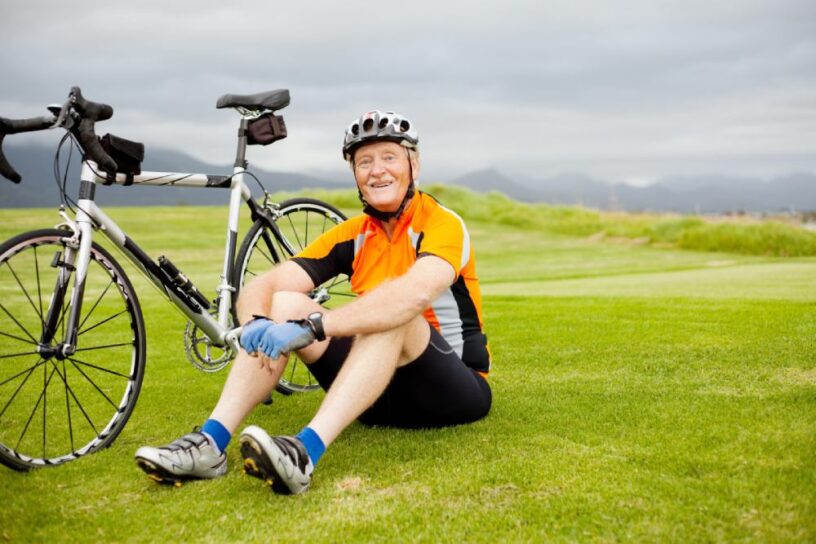
- Practicing a favorite hobby, like biking, yoga, or gardening
- Joining local or virtual exercise classes tailored for seniors
Stay Active and Independent with Blakeford’s WellLife Program
At every level of our continuing care retirement community, our wellness team offers fitness classes and activities designed for all ability levels. We also create individualized programs to help residents safely achieve their personal wellness goals.
Staying active is essential for maintaining independence and overall quality of life. Blakeford’s WellLife program makes it easy for seniors to embrace a healthier lifestyle, enjoy daily activity, and reach their wellness goals. Contact us today to learn more about how we support seniors in living their healthiest, most active lives.
Explore our WellLife activity calendars by care level: Independent Living, Assisted Living, Memory Care, and Rehabilitation.